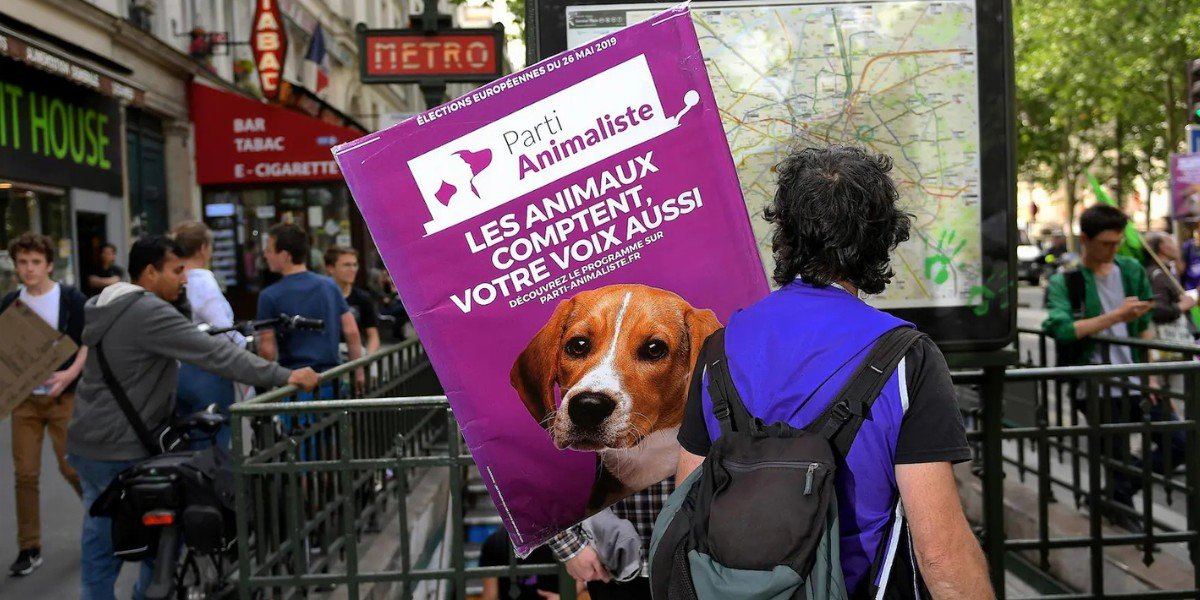
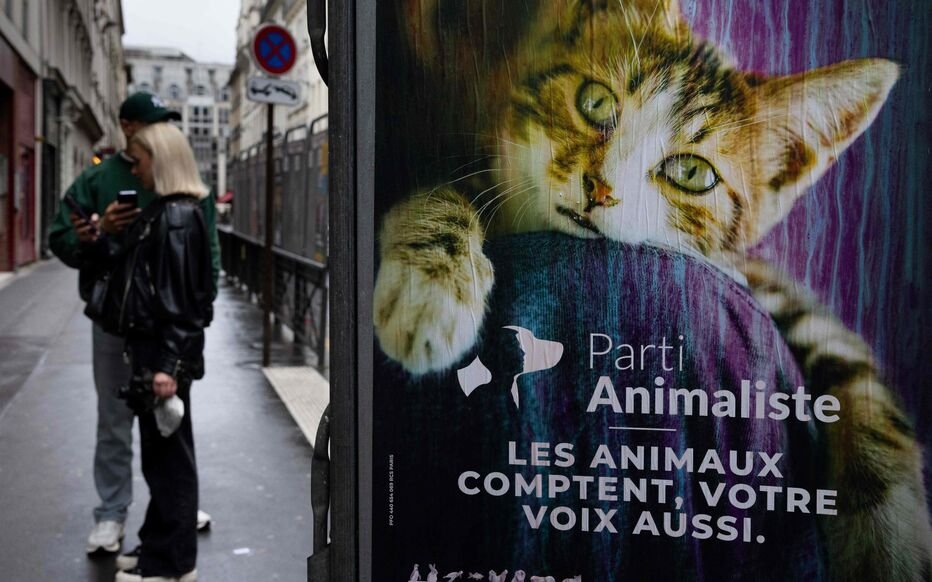

During the French municipal elections held on March 15 and 22, 2026, the Parti animaliste achieved a significant political breakthrough, securing up to 30 municipal councilor seats across 28 municipalities. This outcome, which corrects early estimates of 27 seats, officially doubles the party’s local representation and embeds animal welfare advocates into the administrative frameworks of major urban centers, including Montpellier, Le Havre, and Marseille.
In the two-round French municipal elections held on March 15 and 22, 2026, the single-issue Parti animaliste achieved record electoral success, advancing beyond initial projections. Fact-checking the preliminary figures of 27 seats, the party’s final official tallies confirm they secured 30 municipal councilors in 28 municipalities. The party presented candidates in 68 municipalities, achieving victories in high-population centers including Montpellier, Le Havre, Montreuil, Thonon-les-Bains, Grenoble, and Marseille. This marks only the second time the decade-old party has participated in municipal elections, successfully achieving its stated ambition of doubling its local political representation.
The electoral strategy of the Parti animaliste relied heavily on transpartisan cooperation, forming 66 coalition lists with left, ecologist, centrist, and right-wing formations. The party also ran two autonomous, 100% animalist lists in Sète (led by Josiane Amarger) and the 9th arrondissement of Paris (led by Grégory Moreau). While alliances were broad, the party maintained strict conditions, requiring coalition partners to commit to tangible animal protection measures, such as replacing lethal pest control methods with non-lethal prevention strategies and restructuring municipal budgets.

Mira Douchka Markovic
Co-president and Spokesperson of Parti animaliste
Our presence on these lists is not a union but the result of an alliance, a compromise, and a desire to work together. It is about entering the spaces where public policy is decided to ensure an independent, demanding voice is heard—one exclusively focused on animals. Without an animalist elected official at the table, the animal cause is simply not represented there. Our alliances with left-wing, green, centrist, and right-wing lists demonstrate that animal protection is a shared human value that transcends partisan divides. Our place is wherever elected officials are ready to act for the animal cause. We thank all the lead candidates with whom we have reached an agreement; they are certainly committed to societal progress.
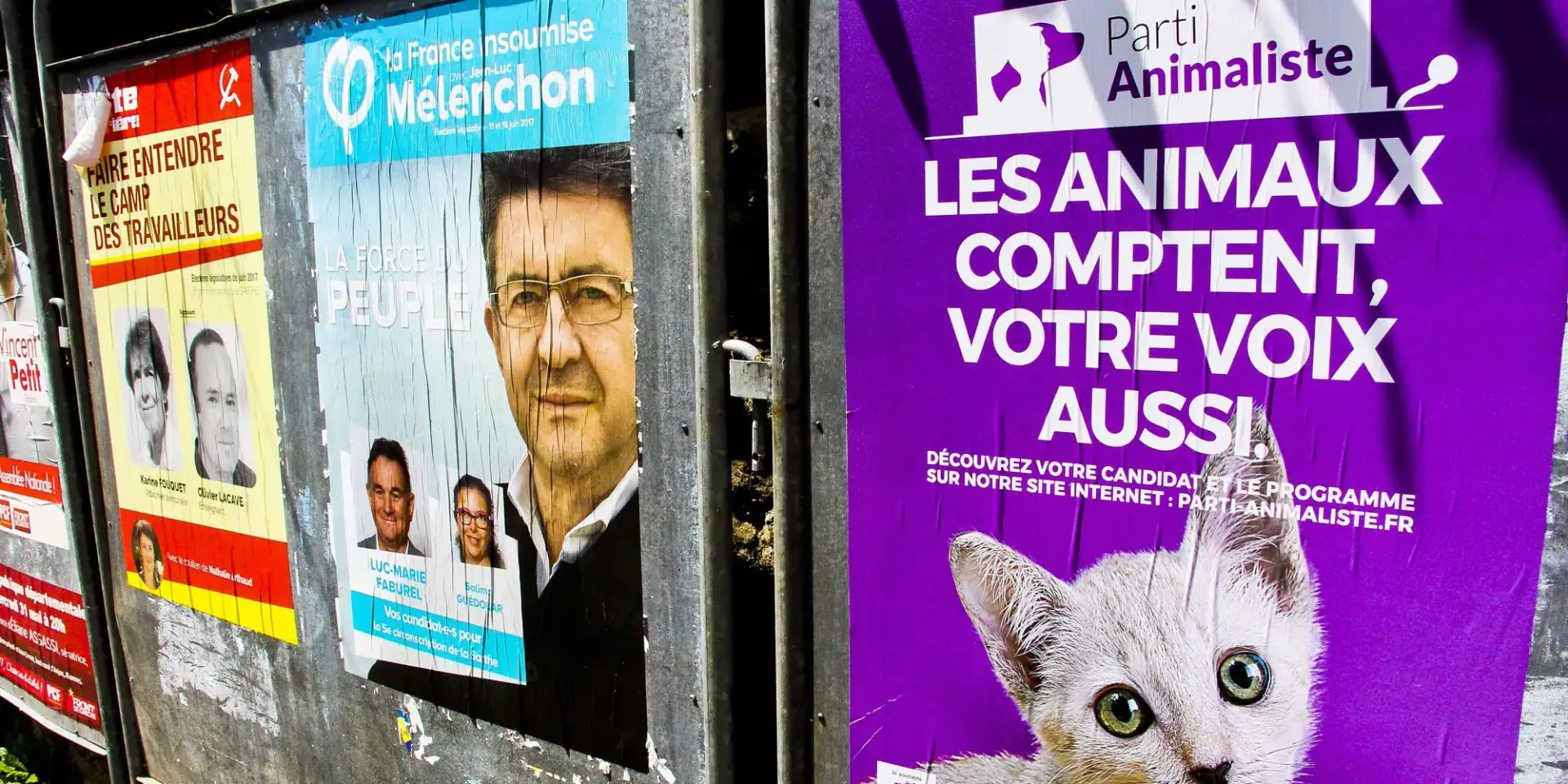
Founded in late 2016 to push animal rights outside the conventional left-right political spectrum, the Parti animaliste gained its first municipal footholds in the 2020 elections. The party’s core ideology challenges systemic anthropocentrism, campaigning on a platform that links human and animal welfare (“One Health”). At the local level, mayors and city councils in France hold significant statutory power over public health, urban planning, and environmental protection (Article L2212-2 and L2213-4 of the General Code of Territorial Collectivities). By gaining seats in municipal councils, the party directly targets local policy levers, including public school catering (introducing plant-based options) and the management of liminal animals like pigeons and rodents.
Securing 30 mandates transitions the animal welfare agenda from external NGO activism to direct administrative governance. Parti animaliste representatives now possess legitimate access to municipal budget allocations, the formulation of public procurement rules, and the creation of local regulations across major French agglomerations.
In the short term, these newly elected officials are expected to push for immediate structural audits of municipal animal policies, including the appointment of dedicated animal welfare deputies in their respective city halls. Long-term, this expanded local presence serves as a foundational base for the Parti animaliste ahead of future national and European elections. The party intends to use these local victories to normalize animal rights as a mandatory pillar of public administration, simultaneously increasing pressure on the French state to adopt macro-level policies, such as the total abolition of bullfighting and an end to live animal exports.