


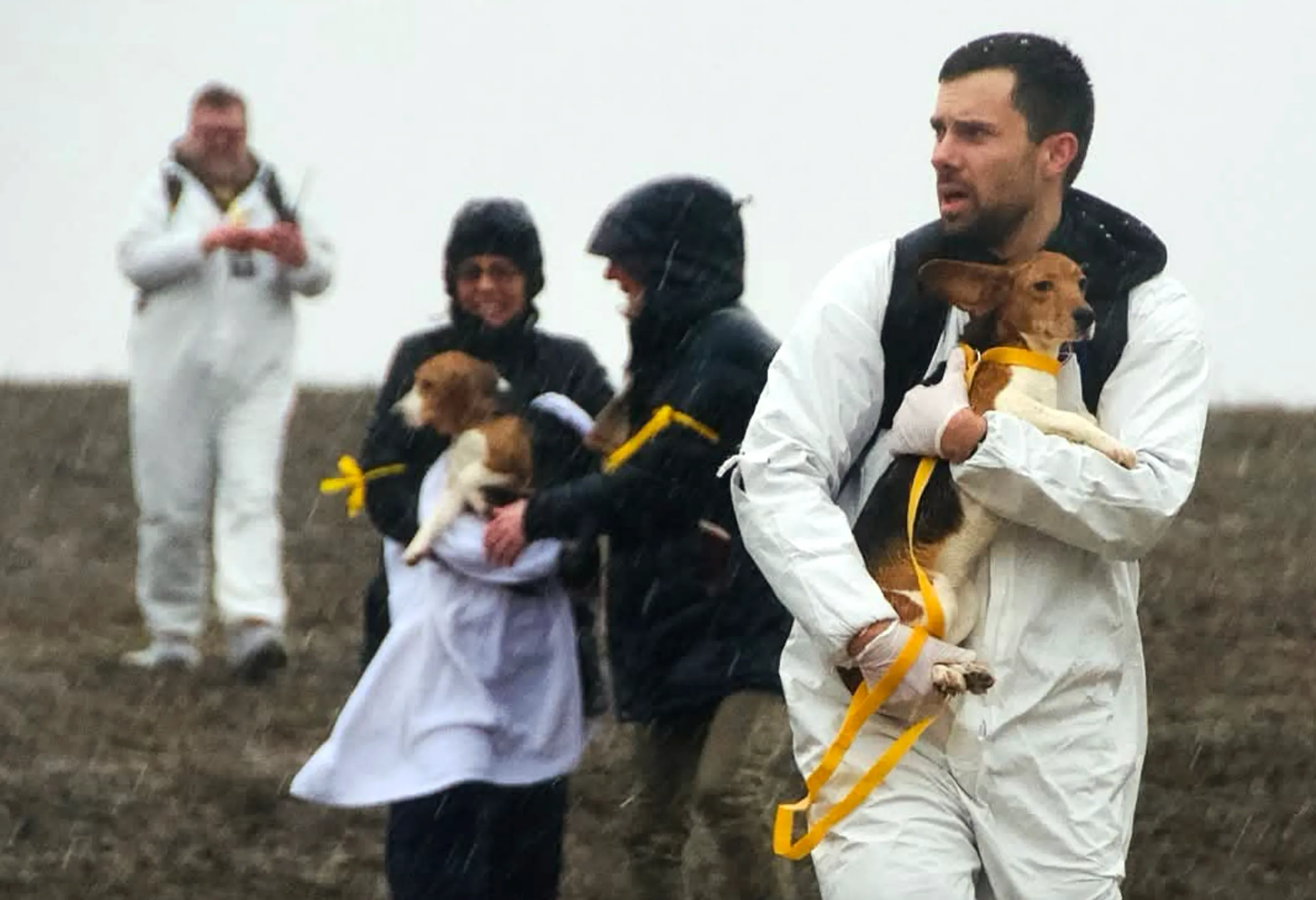
On March 15, 2026, a coalition of approximately 60 animal rights activists conducted an “open rescue” at Ridglan Farms, a major beagle-breeding facility in Blue Mounds, Wisconsin. This high-stakes intervention comes as the facility—currently the second-largest supplier of research beagles in the United States—is under intense legal and regulatory pressure to cease its breeding operations by July 1, 2026, following a landmark agreement with state prosecutors.
Incident Overview and Legal Framework
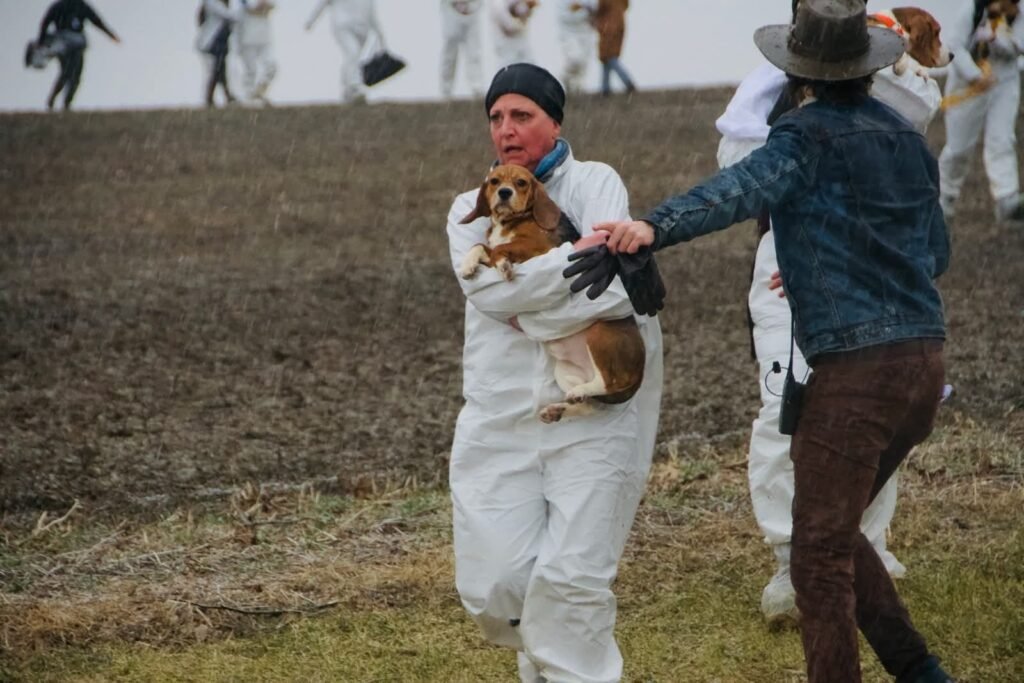
The March 15 rescue operation, led by high-profile activists including Wayne Hsiung, resulted in the liberation of approximately 31 beagles. While local law enforcement intercepted several transport vehicles and returned some dogs to the facility, activists confirmed that at least 22 beagles remain in safe, undisclosed locations for rehabilitation.
This direct action follows years of documented neglect and systemic cruelty. In January 2025, a Dane County Circuit Court judge found probable cause of felony animal cruelty at Ridglan Farms. Evidence presented during evidentiary hearings detailed:
- Unlicensed Medical Procedures: Staff allegedly performed “cherry eye” surgeries without anesthesia.
- Sanitary Violations: Reports of inadequate ventilation and dogs spinning in small, filthy cages.
- Veterinary Negligence: The facility’s lead veterinarian had his license suspended in September 2025 following complaints of professional misconduct.
The Path to Closure: July 2026 Deadline
Under a settlement reached in October 2025 with Special Prosecutor Tim Gruenke, Ridglan Farms agreed to surrender its Wisconsin breeding license by July 1, 2026. This agreement allowed the facility to avoid immediate criminal prosecution for hundreds of felony counts.
However, animal rights organizations, including the Nonhuman Rights Project (NhRP), recently filed lawsuits—most recently dismissed in February 2026 but currently under appeal—to secure the immediate release of the remaining 2,000 to 3,200 beagles currently housed on-site. Advocates argue that the “inventory” of dogs remains at risk of being sold for “maximum pain” experiments or euthanized before the license surrender date.






Comments 1