


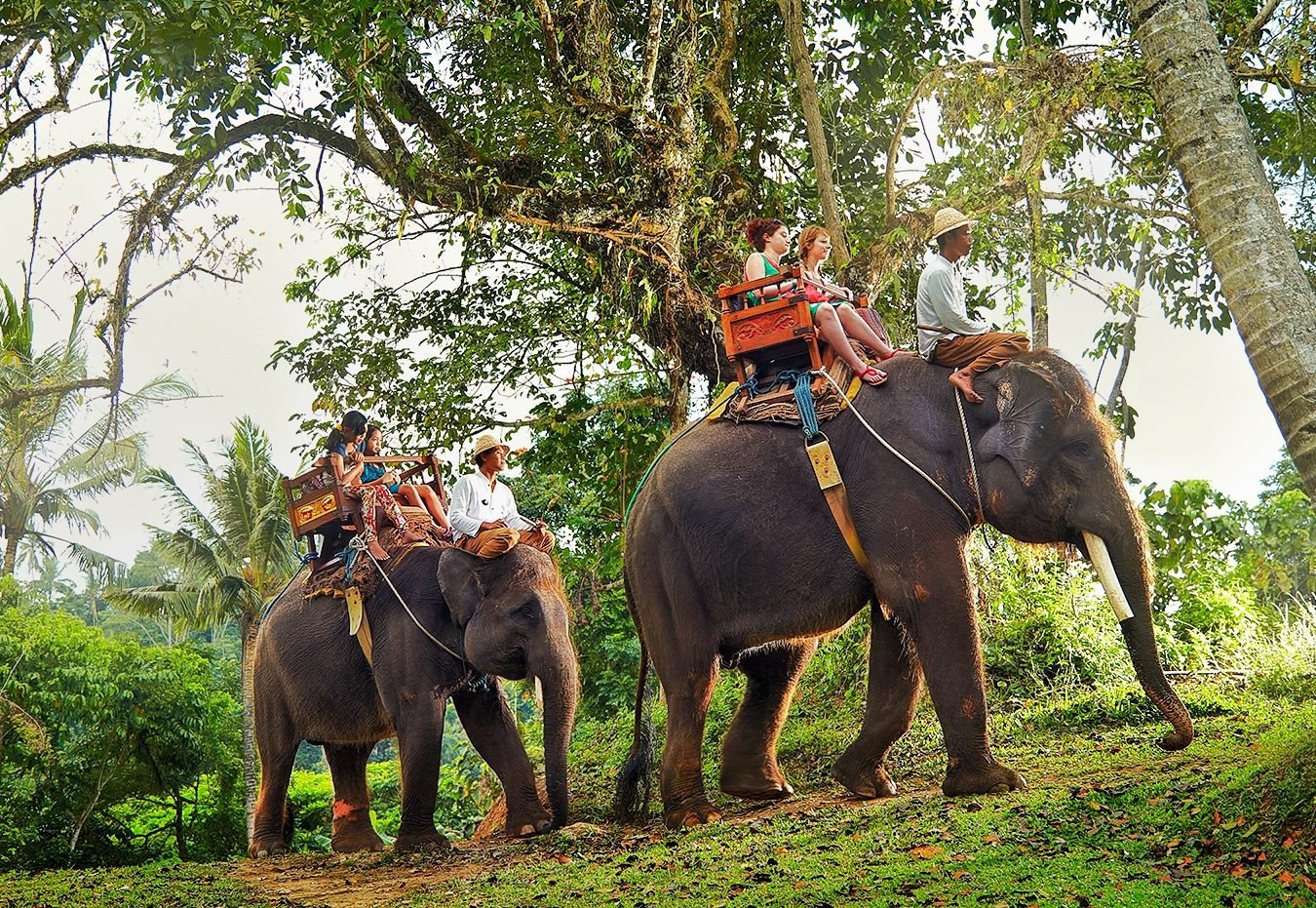
On January 1, 2026, the Indonesian government officially enacted a nationwide ban on elephant riding, a landmark decision that positions the country as the first in Asia to prohibit the practice at all tourism and conservation facilities. The move follows a three-month undercover investigation by PETA Asia into Bali’s prominent elephant parks, which exposed systemic violence, including the use of bullhooks and the chaining of elephants in barren, concrete pens.
Legislative Framework and Enforcement
The Ministry of Environment and Forestry, through the Directorate General of Natural Resources and Ecosystem Conservation (KSDAE), issued Circular Letter No. 6 of 2025 in December to finalize the prohibition. The directive is legally binding for all licensed zoos, safari parks, and wildlife attractions.
Key enforcement measures include:
- Permit Revocation: Facilities that continue to offer rides or fail to transition to ethical models risk the immediate loss of their operating permits.
- Targeted Compliance: High-profile venues such as the Mason Elephant Park & Lodge and the Bali Zoo have already halted all riding activities to comply with the new welfare standards.
- Transition to Observation: The government is mandating a shift toward observation-only experiences, where elephants can engage in natural behaviors like social bathing and foraging without direct human contact.
The ban directly affects over 100 captive elephants currently held in Indonesian tourism facilities. From a quantitative perspective, this policy prevents thousands of hours of physical labor annually.
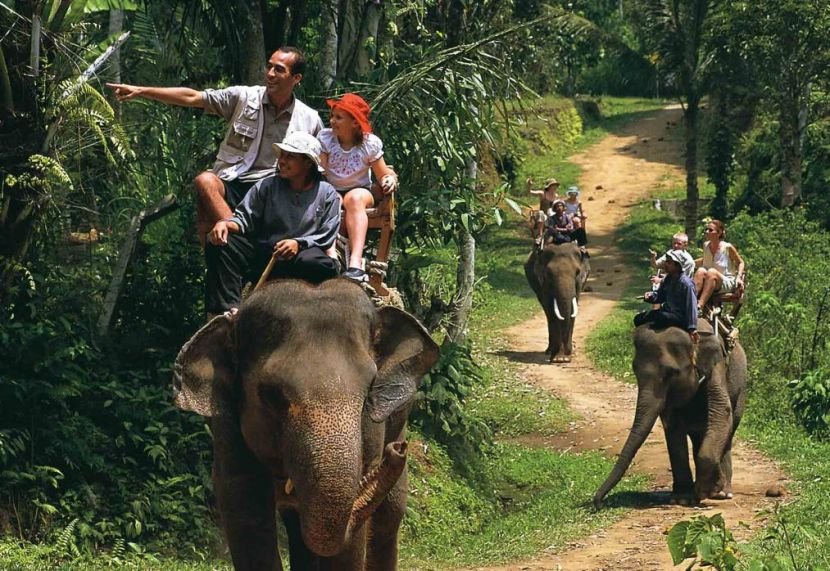
Indonesia’s proactive stance sets a critical precedent for the Southeast Asian tourism corridor. By becoming the first Asian nation to implement a nationwide ban, it places immense pressure on neighboring countries like Thailand, India, and Nepal—where thousands of elephants remain in the riding industry.
The move reflects a global shift in consumer ethics; international travel providers and over 10,000 petitioners have signaled that the future of wildlife tourism lies in “hands-off” conservation. This legislative victory demonstrates that sustained advocacy can successfully transform national policy, even in regions where animal tourism is a significant economic driver.