

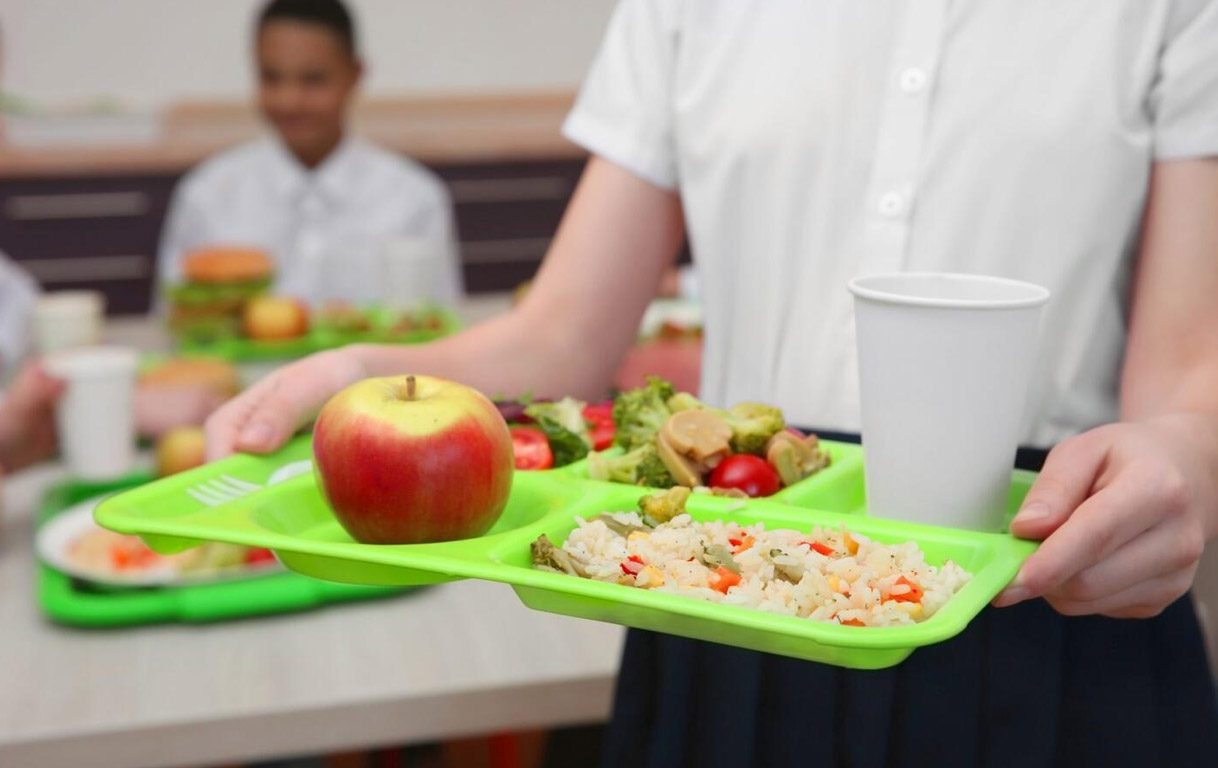
On February 20, 2026, the Polish Ministry of Health officially signed a landmark decree mandating the introduction of healthier, more varied food options in public schools and preschools. This regulation, which goes into effect on September 1, 2026, requires institutions to provide plant-based alternatives for every meal that features meat or fish. The move marks a significant departure from the 2016 standards and aligns Poland’s national school nutrition policy with the Planetary Health Diet, emphasizing legumes and seasonal, local products while strictly limiting fried foods and processed animal proteins.
Strategic Breakdown of New Nutrition Standards
The updated regulations introduce a rigorous framework for nearly 36,000 educational institutions across Poland, impacting approximately 6.8 million students. The Ministry of Health’s decree establishes the following structural changes to school canteens:
- Mandatory Vegan Meals: Schools must serve at least one entirely plant-based main course (obiad) per week for all students.
- Alternative Protein Guarantee: On days when meat or fish is served, a plant-based alternative—specifically centered on legumes like beans, lentils, and chickpeas—must be available to students who do not consume animal products.
- Reduced Meat Frequency: Fresh meat is restricted to a maximum of twice weekly, while fish must be served at least once per week.
- Vegetable-Base Soups: At least twice a week, soups must be prepared using vegetable broth rather than traditional meat-based stocks.
- Dairy Alternatives: For the first time, school shops and canteens are authorized to sell and serve fortified plant-based beverages (calcium and B12) as substitutes for cow’s milk.
- Caloric and Quality Control: Meals must provide 20% to 30% of daily energy requirements, with fried dishes limited to twice per week.
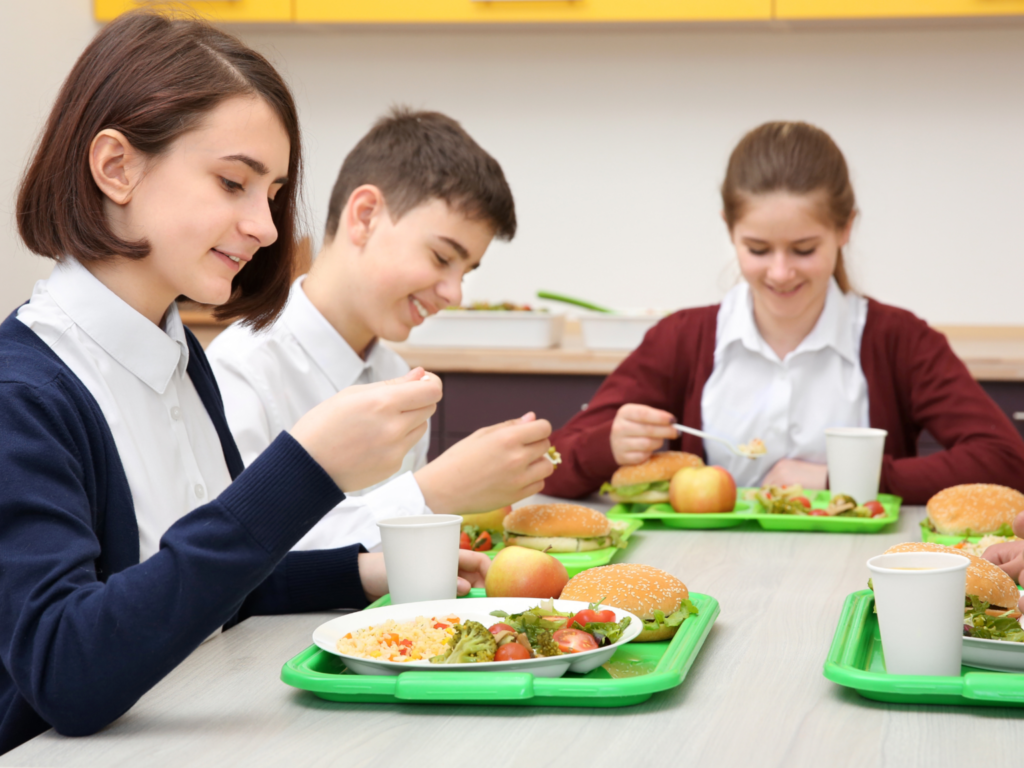
The implementation of these regulations provides a high-leverage opportunity for systemic animal welfare improvement and health prevention.
Global and Regional Significance
- Quantitative Animal Impact: Prior to this decree, research by the Green REV Institute found that 79% of school meals in the Masovian province were meat-based, while only 0.28% of schools offered a complete vegan diet. By capping meat service at twice per week and mandating a universal plant-based day, the policy effectively reduces the demand for animal-derived calories in the public sector. With 6.8 million students eligible for meals, a shift from 4–5 meat days to 2 meat days per week represents a 60% reduction in potential meat consumption within the school system, potentially sparing millions of land animals and fish from the supply chain annually.
- Systemic Change & Health: Beyond direct animal lives saved, the policy addresses the 25% obesity rate among Polish children. By normalizing plant-based proteins, the government is utilizing a “nudging” strategy recommended by the World Health Organization to shape lifelong sustainable dietary habits.
This policy shift positions Poland—a country with a traditionally meat-heavy culinary reputation—as a regional leader in the European “Farm to Fork” transition. It serves as a successful case study for civil society engagement, as the final decree was shaped by over 800 public consultation responses and years of advocacy by groups like the Green REV Institute and ProVeg Poland. Internationally, it mirrors recent shifts in regions like Wales and New York City, reinforcing a global trend toward integrating food democracy and climate resilience into the public education system.